Our Location
304 North Cardinal St.
Dorchester Center, MA 02124
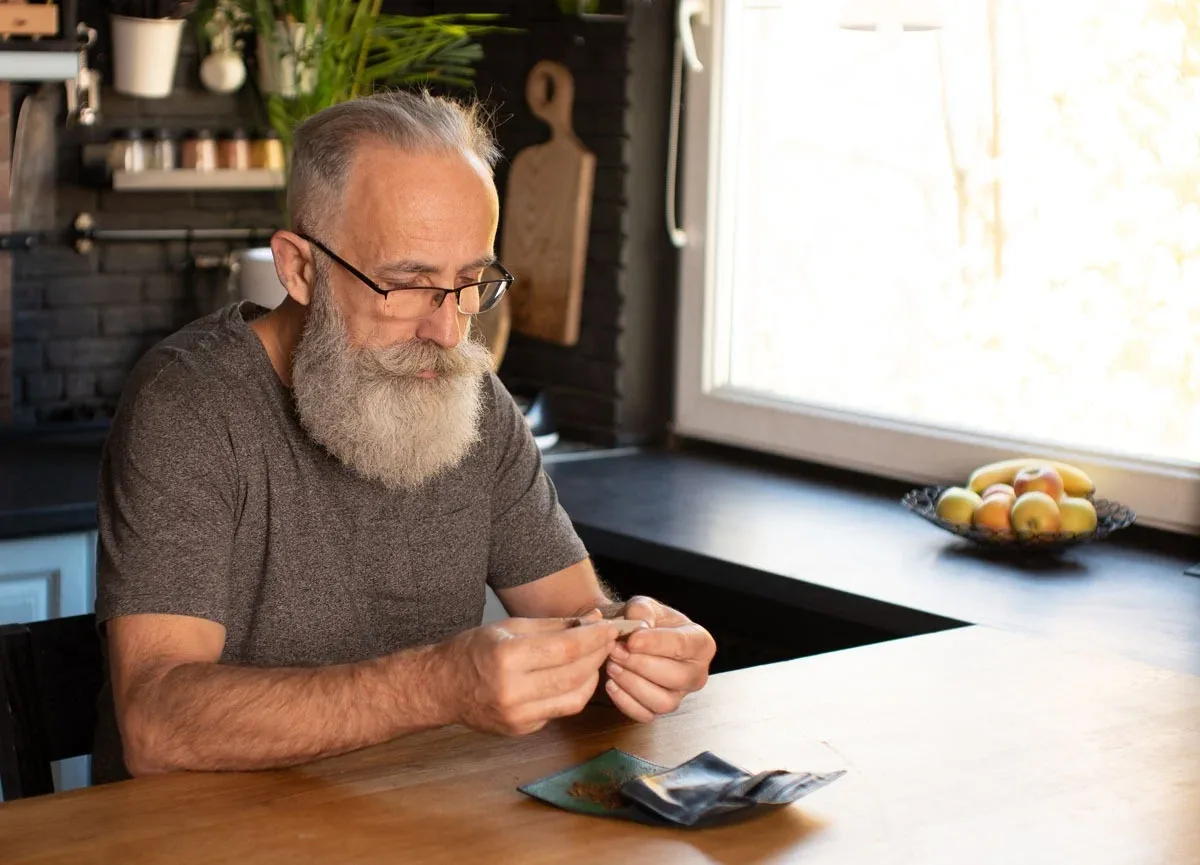
Complete Guide to Medical Cannabis for Senior
Cannabis is no longer just a topic for younger generations. Across the country, older adults are turning to it as part of their wellness routines, often after hearing about it from a doctor, friend, or family member. For many seniors, this is entirely new territory, filled with unfamiliar terms, products, and questions about what’s actually safe and appropriate. This guide walks through the essentials in plain language, so seniors and their caregivers can approach the topic with confidence rather than confusion.
Interest among older adults has grown for a simple reason: convenience and control. Vape cartridges, often referred to in shorthand as “carts,” offer a discreet, smoke-free way to consume cannabis with more predictable effects than edibles and less preparation than flower. For seniors who may be managing mobility issues, sensitive lungs, or simply want an easier routine, cartridge-based products have become a popular entry point precisely because they remove much of the guesswork that comes with rolling, grinding, or measuring.
A cali clear disposable vape pen is exactly what it sounds like: an all-in-one device that comes pre-filled and pre-charged, requiring no setup, no batteries to manage, and no cartridges to swap. For a senior trying cannabis for the first time, this kind of simplicity matters. There’s no learning curve involving buttons, charging cables, or refills — just a straightforward draw, a manageable dose, and a device that can be set aside when it’s finished.
When choosing a disposable device, seniors and caregivers should pay attention to a few key details: clearly labeled potency, third-party lab testing, and a simple, single-button (or button-free) design. Devices with adjustable airflow or lower-voltage settings can also help beginners avoid overly strong hits, which matters most for anyone who is cannabis-naive or takes other medications.
The golden rule for any new cannabis user — and especially for seniors — is to start with the lowest possible dose and wait before taking more. Cannabis affects everyone differently, and factors like body weight, metabolism, and existing medications can all change how a product feels. Many seniors find that a single small inhalation, followed by a 15–20 minute wait, is enough to gauge the full effect before deciding whether more is needed.
Older adults typically come to cannabis for a handful of recurring reasons: general discomfort in joints or muscles, restless sleep, low appetite, or simply wanting to unwind in the evening. It’s worth noting that this guide isn’t medical advice — anyone considering cannabis for a specific health concern should talk with their doctor first, especially if they take prescription medications, since interactions are possible.
One of the most overlooked steps is having an honest conversation with a physician before trying cannabis, particularly for seniors already managing multiple prescriptions. A doctor can flag potential interactions, suggest an appropriate starting point, and help track how a new product might affect existing routines. Many regions also require a medical cannabis card for legal access, and a physician can guide seniors through that process.
Beyond disposables, seniors may also encounter tinctures, capsules, and topicals — each offering a different route and onset time. Topicals, for instance, are applied directly to the skin and don’t produce a “high” at all, making them a comfortable entry point for those hesitant about inhaling anything. Trying a few formats can help identify what fits best into a daily routine.
Medical cannabis doesn’t have to be intimidating, even for someone trying it for the first time later in life. With a little research, a conversation with a healthcare provider, and a willingness to start small, seniors can explore cannabis in a way that feels safe, manageable, and suited to their own pace.